Effects of music therapy on anesthesia
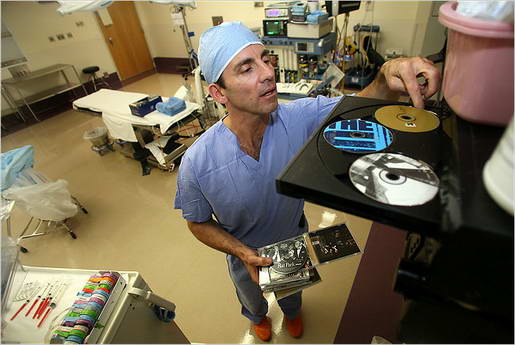 Hearing soothing music while under anesthesia eases patients’ recovery after surgery — results of a Swedish study suggest. According to findings published in a recent issue of a journal, ACTA, Anaesthesiologica Scandinavica, women undergoing hysterectomies, under general anesthesia, who listened to relaxing music and sounds of ocean waves, experienced less pain and were less fatigued, when discharged from the hospital. They were able to sit up sooner after their operation than patients, who did not listen to such music.
Even though patients are unconscious, when under general anesthesia, brain may remain aware of what happens during surgery, research suggests. Because of this intra-operative awareness, patients may overhear the remarks of doctors and nurses, which could lead to anxiety and dissatisfaction after surgery. To protect patients from misinterpreted comments, music (in combination with therapeutic suggestions) could be provided to all patients, undergoing surgery under general anesthesia. It is an inexpensive and safe intervention that can improve post-operative outcome, such as pain and fatigue.
While medications can help reduce post-operative discomforts, they also have side effects, including nausea.
A study was conducted by researchers at Case Western Reserve University at Cleveland. It involved 500 patients, who underwent abdominal surgery, during a 29-month period in one of the five Cleveland hospitals. The participants in the study ranged from 18—70 year old and were randomly assigned, to receive music, relaxation or a combination of both therapies. This was the experimental group, whose parameters were compared with a control group of patients, who received only standard surgical care. After surgery, all participants received intravenous morphine or Demerol, which was controlled by the patients pressing a button. The experimental group reported less pain, both when walking and resting, on the first and the second days after surgery and reported faster recovery than those in the control group.
 وبلاگ تخصصی بیهوشی