Local Anesthesia


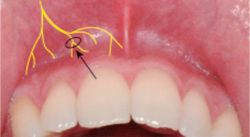
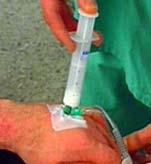
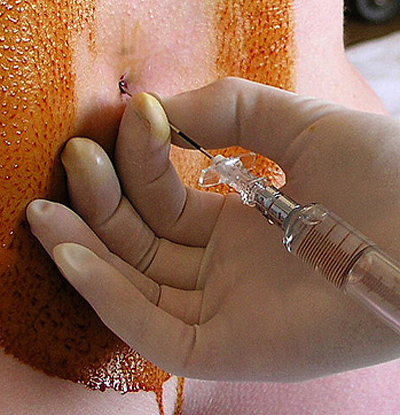
Local anesthesia is a type of pain prevention used during minor procedures to numb a small site where pain is likely to occur without changing the patient's awareness.
A numbing medication is either applied to or injected into the area, sometimes with several small injections, and after a few minutes the area should be completely numb. If the area still has sensation, additional injections or applications may be given to insure total numbness.

Local anesthesia is most commonly associated with dental procedures, where the gum is numbed with an injection of medication, or minor medical procedures like stitches.
 

sugammadex

The sugammadex must be administered only by or under the supervision of an anesthesiologist. The use of an appropriate method of neuromuscular monitoring is recommended to monitor the recovery of the neuromuscular block. In accordance with the usual practice after a neuromuscular block, we recommend that you monitor the patient in the immediate post-anesthesique period to detect the occurrence of adverse events including a resurgence of the block (see section updates special warnings and precautions for use). When drugs that may cause interactions by displacement are administered parenterally within 6 hours following administration of the sugammadex, the patient should be monitored in order to detect signs of recurrence of neuromuscular block (see topics special warnings and precautions for use and Interactions with other medicinal products and other forms of interactions).

The recommended dose of sugammadex depends on the degree of the neuromuscular to décurariser block. The recommended dose is independent of the anesthetic Protocol.

ادامه نوشته

یه سوال 4 گزینه ای از پیچ anesthesia فیسبوک


This Dude is Often Regarded As The Father Of Chemistry.
He lived in the 8th Century AD
He Discovered Ether, The Prototype Molecule of Which Almost All Modern Halogenated Inhalational Anesthetic Agents Are Derived From.
Who is He? 
A. Amedeo Avogadro
B. Humphrey Davy 
C. Abu Mūsā Jābir ibn Hayyān
D. John Dalton

By
Dr Roc Tc

جواب میشه ابو موسی جابر ابن حیان

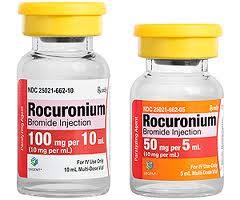
Something about rocuronium


Rocuronium, vecuronium is a muscle relaxant steroid.
Vecuronium is much more powerful than the rocuronium
Therefore large quantities of rocuronium or 0.6 mg/kg, can be used to flood the neuromuscular junction to above 90% receptor occupancy
This helps to relax allowing laryngeal intubation conditions.

This concept-> bufferred dissemination.

It allows the use of high doses of rocuronium in modified inductions in rapid sequence.

However, this can be done after ensuring certainty with intubation..

Nevertheless, the administration of sugammadex can enble the patient to resume spontaneous breathing should intubation fail...

However, this drug is not readily available in most regions of the world

Low-Flow Anesthesia For Quicker Recoveries


Low-flow anesthesia is a great way to speed patient discharges, save money for your facility and do right by the environment. Let's examine how low flow can benefit you and your patients, and the keys to beginning a successful program.
ادامه نوشته

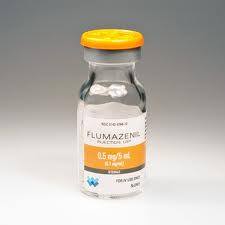
Flumazenil


Why it is prescribed (Indications) : 
This medication is a benzodiazepine antagonist, prescribed for reversing drowsiness, sedation and other effects caused by benzodiazepine. It is also used for hepatic encephalopathy (confusion, altered level of consciousness and coma as a result of liver failure). 

ادامه نوشته

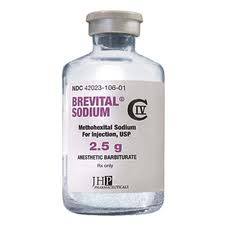
methohexital


Methohexital is a barbiturate (bar-BIT-chur-ate). Methohexital slows the activity of your brain and nervous system.
Methohexital is used to make you fall asleep before a surgery or other medical procedure. It is usually given in combination with other types of anesthesia.
ادامه نوشته

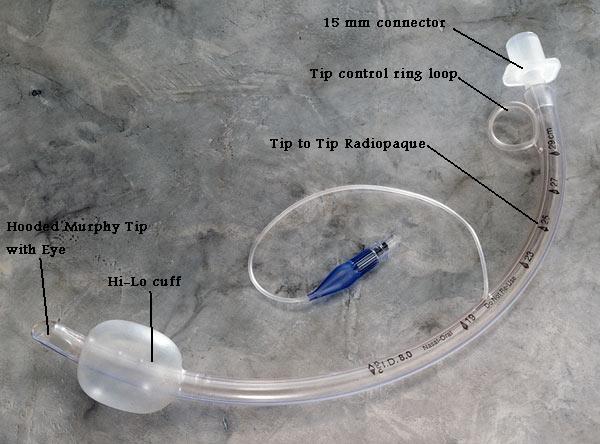
Endotrol Tracheal Tubes With Controllable Tip

ادامه نوشته

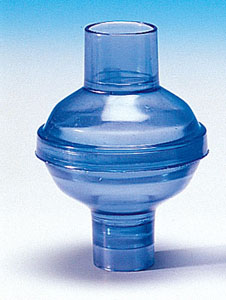
Antibacterial Filter

Whether you know if the animal you are about to work on is contagious or not, the antibacterial filter protects your anesthesia machine and future patients from possible contamination.


This accessory is also appreciated because it eliminates virus propagation risks in the anesthesia machine when proceeding with specialized procedures such as bronchoalveolar washings.

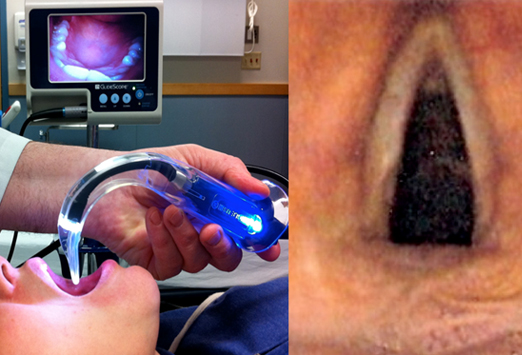
GlideScope

GlideScope® Video Laryngoscopes offer an improved approach to airway management. GlideScope® provides a consistently clear view of the airway, enabling quick intubation, and offers significant benefits to Anesthesiology, Surgery, and Emergency Medicine markets. Its robust design, long-lasting rechargeable battery, large viewing monitor and several blade sizes are all contributing factors making the GlideScope® the market leader in video laryngoscopy

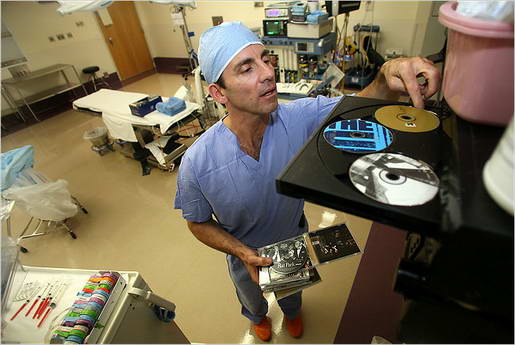
Effects of music therapy on anesthesia

Hearing soothing music while under anesthesia eases patients’ recovery after surgery — results of a Swedish study suggest. According to findings published in a recent issue of a journal, ACTA, Anaesthesiologica Scandinavica, women undergoing hysterectomies, under general anesthesia, who listened to relaxing music and sounds of ocean waves, experienced less pain and were less fatigued, when discharged from the hospital. They were able to sit up sooner after their operation than patients, who did not listen to such music.

Even though patients are unconscious, when under general anesthesia, brain may remain aware of what happens during surgery, research suggests. Because of this intra-operative awareness, patients may overhear the remarks of doctors and nurses, which could lead to anxiety and dissatisfaction after surgery. To protect patients from misinterpreted comments, music (in combination with therapeutic suggestions) could be provided to all patients, undergoing surgery under general anesthesia. It is an inexpensive and safe intervention that can improve post-operative outcome, such as pain and fatigue.

While medications can help reduce post-operative discomforts, they also have side effects, including nausea.

A study was conducted by researchers at Case Western Reserve University at Cleveland. It involved 500 patients, who underwent abdominal surgery, during a 29-month period in one of the five Cleveland hospitals. The participants in the study ranged from 18—70 year old and were randomly assigned, to receive music, relaxation or a combination of both therapies. This was the experimental group, whose parameters were compared with a control group of patients, who received only standard surgical care. After surgery, all participants received intravenous morphine or Demerol, which was controlled by the patients pressing a button. The experimental group reported less pain, both when walking and resting, on the first and the second days after surgery and reported faster recovery than those in the control group.

Alzheimer's Disease and Anesthesia

Alzheimer's disease is a chronic neurodegenerative disorder. It is the most common cause of dementia in patients older than 65 years of age, and the fourth most common cause of death from disease in patients older than 65. Diffuse amyloid-rich senile plaques and neurofibrillary tangles are the hallmark pathologic findings. There are also changes in synapses and the activity of multiple major neurotransmitters, especially involving acetylcholine and central nervous system nicotinic receptors. Two types of Alzheimer's disease have been described: early onset and late onset. Early-onset Alzheimer's disease usually presents before age 60 and is thought to be due to missense mutations on up to three genes leading to an autosomal dominant mode of transmission. Late-onset Alzheimer's disease usually develops after age 60, and genetic transmission appears to play a relatively minor role in the risk of developing this disorder. With both forms of the disease, patients typically develop progressive cognitive impairment that can consist of problems with memory as well as apraxia, aphasia, and agnosia. Definitive diagnosis is usually made on postmortem examination, usually making premortem diagnosis of Alzheimer's disease one of exclusion. There is currently no cure for Alzheimer's disease, and treatment usually focuses on control of symptoms. Pharmacologic options include cholinesterase inhibitors, such as tacrine, donepezil, rivastigmine, and galantamine.

ادامه نوشته

Anesthesia awareness

بیداری در بیهوشیAnesthesia awareness

Anesthesia awareness or “unintended intra-operative awareness” occurs during general anesthesia, on the operating table, when the general anesthetic or analgesic provided to render the patient unconscious during general anesthesia is not effective but the agents used to paralyze the patient are. This means that the patient is unable to move or speak, but is wide awake, hearing and feeling the entire procedure.

However, it can also occur in the post anesthesia care unit (PACU) or in the intensive care unit (ICU), where patients are kept sedated, tranquilized and paralyzed (and intubated) hooked to life support systems, awaiting normalization of their physiology

ادامه نوشته

levels of anesthesia

Anesthesia is the process by which a patient is rendered able to undergo surgery. Surgery was, of course, commonly performed before any means was available to spare the patient any part of the experience. It takes little imagination to realize that an unanesthetized person enduring a surgical wound will exhibit several things including the following:


Evasive action

Severe pain and emotional distress

Maximum tension in skeletal muscles

Massive increase in sympathetic tone causing sweating, tachycardia, and hypertension

Vivid and unpleasant memory of the event forever
The goals of anesthesia thus include the following:


Anesthesia (lack of awareness of surrounding events)

Akinesia (keeping the patient still to allow surgery to take place)

Muscle relaxation (to enable access through muscles to bones and body cavities)

Autonomic control (to prevent dangerous surges in hemodynamics)

Harmful Anesthesia Errors

Patients undergoing surgery are administered anesthesia so that they are unconscious during their procedures. Without anesthesia, surgery would be impossible in many cases, as the pain of a body part getting cut into and surgically repaired is too great for most people to bear.

Unfortunately, when anesthesia is not administered in a safe and proper way, it may become more harmful to the patient than the ailment for which he or she is receiving surgery. When an individual suffers an anesthesia-related accident, the consequences are often harmful and, many times, deadly.

In most cases, anesthesia errors are the result of human errors. The doctor who administers the sedation, the anesthesiologist, must take great care when dosing and monitoring patients. When the doctor fails to do this, then he or she may be guilty of medical malpractice.

ادامه نوشته

Types of anesthesia

anesthesia, basal,
n a state of narcosis, induced before the administration of a general anesthetic, that permits the production of states of surgical anesthesia with greatly reduced amounts of general anesthetic agents.
anesthesia, block,
n a local anesthesia induced by injecting the local anesthetic drug close to the nerve trunk, at some distance from the operative field. See also anesthesia, infiltration, and block.
anesthesia, conduction,
n a local anesthesia induced by injecting the local anesthetic agent close to the nerve trunk, at some distance from the operative field.
anesthesia, general,
n an irregular, reversible depression of the cells of the higher centers of the central nervous system that makes the patient unconscious and insensible to pain.
anesthesia, glove,
n an anesthesia with a distribution corresponding to the part of the skin covered by a glove.
anesthesia, infiltration,
n a local anesthesia induced by injecting the anesthetic agent directly into or around the tissues to be anesthetized; used for operative procedures on the maxillary premolar, anterior teeth, and
mandibular incisors. Also called field block. See also anesthesia, block.
Infiltration anesthesia. anesthesia, intraosseous,
n the local anesthesia produced by the injection of a local anesthetic agent into the cancellous portion of a bone.
anesthesia, intrapulpal,
n the injection of a local anesthetic agent directly into pulpal tissue under pressure.
anesthesia, local,
n (regional anesthesia), the loss of pain sensation over a specific area of the anatomy without loss of consciousness.
anesthesia, regional,
n a term used for local anesthesia. See also anesthesia, local.
anesthesia, topical,
n a form of local anesthetic agent with which the surface free nerve endings in accessible structures are rendered incapable of stimulation by applying a suitable solution directly to the surface of the area. Used on the surface soft tissue before a local anesthetic injection to anesthetize surface soft tissues for minor operative procedures.
Mosby's Dental Dictionary, 2nd edition. © 2008 Elsevier, Inc. All rights reserved

BURP in anesthesia

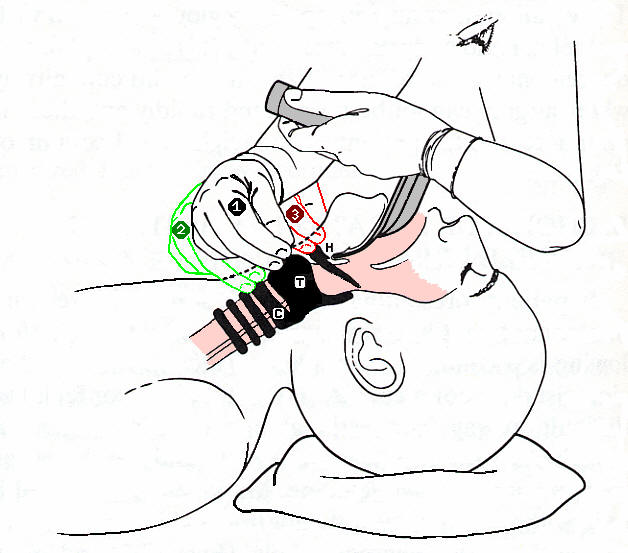
Airway management is often one of the greatest challenges for the anesthesiologist. There are various clinic procedures to revert this problem. The BURP maneuver was describe by Knill in 1993 and consist in the backward, upward and rightward pressure of larynx. It improves the visualization of the larynx structures and the intubation

The displacement of the larynx in the three specific directions (a) posteriorly against the cervical vertebrae, (b) superiorly as possible, and (c) slightly laterally to the right have been reported and named the "BURP" maneuver

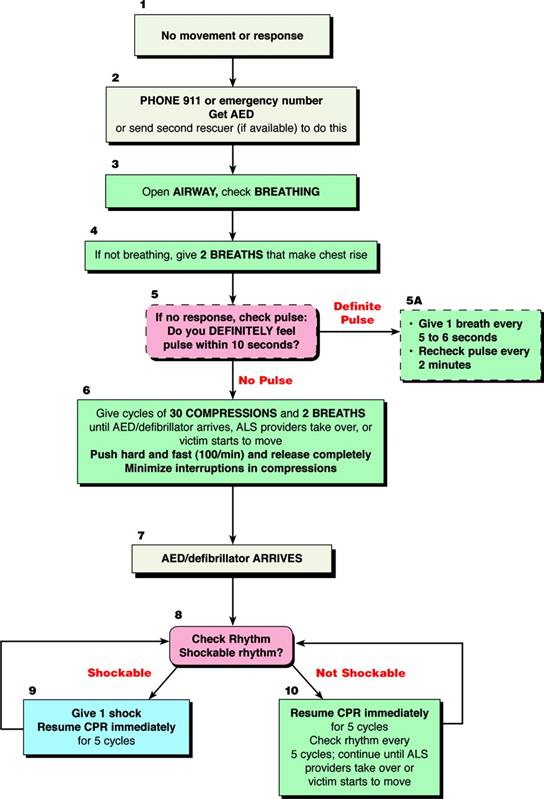
Adult BLS Healthcare Provider Algorithm


با تشکر فراوان از استاد گرامی جناب آقای دکتر اسدالله شاکری - متخصص بیهوشی و مراقبت های ویژه - استادیار گروه بیهوشی دانشگاه علوم پزشکی زاهدان

Recovering From Anesthesia

Recovery from anesthesia occurs as the effects of the anesthetic medicines wear off and your body functions begin to return. Immediately after surgery, you will be taken to a post-anesthesia care unit (PACU), often called the recovery room, where nurses will care for and observe you. A nurse will check your vital signs and bandages and ask about your pain level.

How quickly you recover from anesthesia depends on the type of anesthesia you received, your response to the anesthesia, and whether you received other medicines that may prolong your recovery. As you begin to awaken from general anesthesia, you may experience some confusion, disorientation, or difficulty thinking clearly. This is normal. It may take some time before the effects of the anesthesia are completely gone.

Your age and general health also may affect how quickly you recover. Younger people usually recover more quickly from the effects of anesthesia than older people. People with certain medical conditions may have difficulty clearing anesthetics from the body, which can delay recovery.

After anesthesia

Some of the effects of anesthesia may persist for many hours after the procedure. For example, you may have some numbness or reduced sensation in the part of your body that was anesthetized until the anesthetic wears off completely. Your muscle control and coordination may also be affected for many hours following your procedure. Other effects may include:

  • Pain. As the anesthesia wears off, you can expect to feel some pain and discomfort from your surgery. In some cases, additional doses of local or regional anesthesia are given to block pain during initial recovery. Pain following surgery can cause restlessness as well as increased heart rate and blood pressure. If you experience pain during your recovery, tell the nurse who is monitoring you so that your pain can be relieved.
  • Nausea and vomiting. You may experience a dry mouth and/or nausea. Nausea and vomiting are common after any type of anesthesia. It is a common cause of an unplanned overnight hospital stay and delayed discharge. Vomiting may be a serious problem if it causes pain and stress or affects surgical incisions. Nausea and vomiting are more likely with general anesthesia and lengthy procedures, such as surgery on the abdomen, the middle ear, or the eyes. In most cases, nausea after anesthesia does not last long and can be treated with medicines called antiemetics.
  • Low body temperature (hypothermia). You may feel cold and shiver when you are waking up. A mild drop in body temperature is common during general anesthesia because the anesthetic reduces your body's heat production and affects the way your body regulates its temperature. Special measures are often taken during surgery to keep a person’s body temperature from dropping too much (hypothermia).

Leaving the recovery area

When your normal body functions have returned, you either will be transferred to another location in the hospital to complete your recovery or allowed to go home.

In many cases minor surgical procedures are done on an outpatient basis, which means you will go home the same day. Before you are discharged from an outpatient clinic, you should be alert and able to understand and remember instructions. You will also want to make sure you have regained muscle control and coordination enough to walk safely, take fluids without vomiting, and take oral pain medicines safely. Depending on your medical history, your surgeon may also want you to be able to urinate before you are discharged.

When you are discharged, make sure you have:

  • Reliable transportation to your home and for return to the hospital if complications develop. Do not plan to drive yourself home.
  • A competent adult caregiver who can be with you for 24 hours after discharge.
  • Access to a telephone so you can call for assistance if complications develop.
  • Access to a pharmacy so you can obtain prescriptions.

If you are not ready to go home, you will be transferred to another area in the hospital to complete your recovery. The length of your stay will depend on your response to your surgery.

Local anesthetics

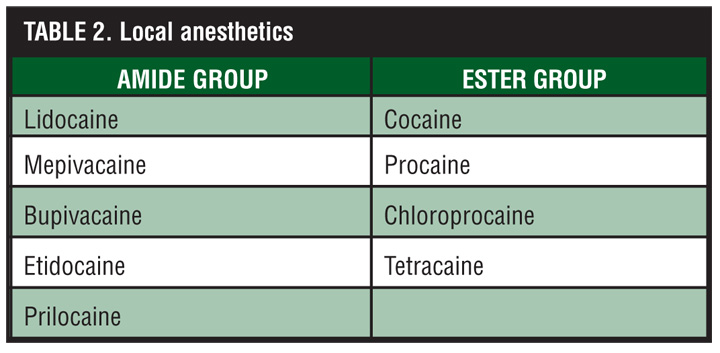
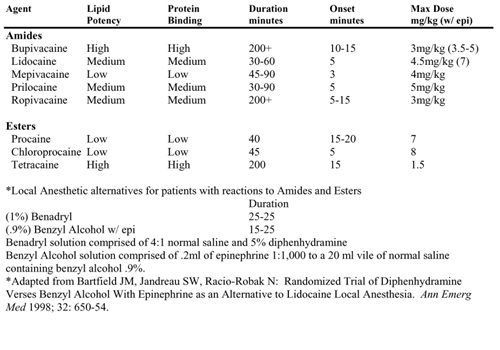
Local anesthetics are classified into 2 groups: the ester group and the amide group. The classification is based on the chemical structure of the intermediate chain. This structural difference affects the pathway by which local anesthetics are metabolized and the allergic potential.

Ester anesthetics  are metabolized by hydrolysis, which depends on the plasma enzyme pseudocholinesterase. Some patients have a rare genetic defect in the structure of this enzyme and may be unable to metabolize ester-type anesthetics; this inability increases the possibility of their having toxic reactions and elevated levels of anesthetics in the blood. In addition, 1 of the metabolic products generated by hydrolysis is PABA, which inhibits the action of sulfonamides and is a known allergen. In patients with a known allergy to an ester anesthetic, the use of all other ester-type anesthetic agents should be avoided.

Amide-type local anesthetics  are metabolized by microsomal enzymes located in the liver. The specific microsomal enzyme responsible for the elimination of lidocaine is cytochrome P-450 3A4. Therefore, amide-type anesthetics should be used with care in patients with severe liver disease and patients taking medications that interfere with the metabolism of the anesthetic, and the patients should be carefully monitored for signs of toxicity.

Cytochrome P-4503A4 is present in the small bowel and the liver. Commonly used medications known to inhibit cytochrome P-4503A4 are listed below (adapted from Klein and Kassarjdian).1 Specific potent inhibitors of cytochrome P-4503A4 that have been associated with clinically relevant interactions include itraconazole, ketoconazole (azole antifungals), erythromycin, clarithromycin, cyclosporin (macrolides), amprenavir, indinavir, nelfinavir, ritonavir (HIV protease inhibitors), diltiazem, mibefradil (calcium channel blockers), and nefazodone. Grapefruit juice is also a potent inhibitor of P-4503A4 but appears to affect only the enteric enzyme, which does not play a role in the metabolism of local anesthetics.

If the enzyme is inhibited because of the concurrent use of medications, it is unavailable to metabolize the anesthetic and potentially toxic levels of the anesthetic can occur. In addition, beta-blockers may decrease blood flow to the liver; therefore, they may also decrease the metabolism of amide-type anesthetics and may cause serum levels of the anesthetic to increase.


Intravenous Sedation Anesthesia

Some minor surgical procedures (for example: breast biopsies, eyelid surgery, some hernia surgeries) can be done with the combination of local anesthesia plus intravenous sedation. Prior to beginning anesthesia, the anesthesiologist places monitors of blood pressure, electrocardiogram, pulse and oxygen saturation of the blood. The anesthesiologist is present for the entire surgery, and administers intravenous sedatives as required for the patient’s comfort and the surgeon’s needs. The level of conscieusness can be controlled from awake but relaxed, to light sleep with minimal chance of awareness. If the sedation is deep enough, the intravenous sedation will be termed general anesthesia. While the patient is sedated, the surgeon usually injects local anesthetics into the surgical site to block both surgical and post operative pain.

Vigilance by an anesthesiologist during intravenous sedation is also known as
Monitored Anesthetic Care, or MAC.

عکس رونالد میلر (Ronald D Miller, MD)

Ronald D Miller, MD
Professor
Department Chairman
Professor of Cellular and Molecular Pharmacology
Dr. Miller's research has been in neuromuscular pharmacology and blood products. He is on the editorial board of the British Journal of Anesthesia. He edits a two-volume anesthesia text. Recently, he was elected to the Institute of Medicine, part of the National Academy of Sciences.


به سختی عکس میلر رو پیدا کردم....مطمئن هستم اکثر بچه های بیهوشی تا حالا تصویر نویسنده رفرنس اصلیشون (کتاب اصول پایه بیهوشی میلر ) رو ندیده اند .

axillary block anesthesia

Indications

  • Surgery or manipulation of the elbow, forearm or hand.

Set-Up

  • Two 30 ml syringes with local anesthetic (1.5% mepivacaine + epinephrine (1:200,000) + HCO3 - (0.1 meq/cc)
  • For longer acting blocks, 10 ml of 0.75% bupivacaine + epinephrine (1:200,000) may be added.
  • The syringes are attached to a three-way stopcock that is connected to IV extension tubing fitted to a 23 gauge, 1” needle. This provides an immobile needle technique.

Essential Anatomy

  • Terminal branches of the brachial plexus are arranged circumferentially around the axillary artery. (Fig 1-1)
  • The only essential topical landmark is the most proximal point where the axillary pulse can be palpated.

Technique

  • Place the patient supine with arm extended out at 90° from the body on a hand table with the palm facing up. Alternatively, the arm can be flexed at the elbow and the shoulder abducted with the patient’s hand positioned palm side up behind the head.
  • Sedation may be given in order to diminish anxiety and discomfort, as well as protect against the systemic reaction of an unexpected intravascular injection (benzodiazepines raise the seizure threshold). Care should be taken not to oversedate the patient for fear of masking a paresthesia or pain caused by intraneural injection.
  • Clean the axilla in an aseptic manner. Palpate the axillary artery as proximally as possible. Compress the artery with the tips of your fingers or use one finger along the axis of the artery to fix the artery against the head of the humerus. Insert the needle over the pulse while having an assistant gently aspirate as the needle is advanced. Once arterial blood is detected, advance slowly until blood flow ceases. Inject 3-5 ml of local anesthetic as a test dose. If no signs of intervascular or interneural develop, the remaining local anesthetic is administered with aspiration. every 3-5 ml. The relationship of the needle to the sheath may change as local anesthetic is injected, so at least one reassessment is recommended by withdrawing the needle back into the axillary artery and re-advancing the needle out of the artery and into the sheath. The downside to repeatedly confirming location is that blood, an irritant to the nerves, may be inadvertently introduced within the sheath and could cause postoperative discomfort. It is not unusual to detect blood-tinged local anesthetic during subsequent aspirations; this has been described as “sheathy fluid” and suggests proper needle positioning within the axillary sheath.
  • After delivering the appropriate dose, the needle is removed and pressure is applied to the site of injection for a minimum of five minutes. This reduces hematoma risk and theoretically promotes cephalad spread of local anesthetic to block the musculocutaneous nerve.
  • Success rate of blockade of all 4 nerves approach 95% with 60 mls of local anesthetic.

Limitations

  • Late or incomplete blockade of the musculocutaneous nerve (Fig 1-2).


  • Requires abduction of the arm which my be difficult in arthritic patients or those with a frozen shoulder.
  • Transarterial technique contraindicated in anticoagulated or coagulopathic patients.
Figure 1-2

Complications

  • Hematoma
  • Neuropraxia
  • Local anesthetic toxicity

Pearls

  • Insure that the blood aspirated is arterial blood and not venous. The axillary vein is located outside the sheath in approximately 5 to 10 percent of patients. When in doubt, disconnect the siringe and leave the tubing open to air so to better appreciate the pulsitile arterial flow.
  • Due to its proximal exit from the sheath, the musculocutaneous nerve is often missed or slow to be blocked. This can be overcome by using a sufficiently large volume of local anesthetic with distal compression of the sheath following injection. If biceps relaxation or an insensate lateral forearm is essential, the musculocutanous nerve can be selectively blocked by injecting 5 to 10 ml of local anesthetic into the coracobrachialis muscle.
  • When surgery involves the skin medial and proximal to the elbow, 5-10 cc of subcutaneous local can be injected in the axilla to block the intercostobrachial nerve.
  • Controversy exists as to the approach if a paresthesia is elicited during an attempted transarterial block. Some use the parasthesia as an indication of proximity to the brachial plexus and inject local anesthetic when one is elicited while others will withdraw and re-direct away from the area.

References

  1. De Jong Rh: Axillary block of the brachial plexus. Anesthesiology 1961; 22:215.
  2. Lanz E, Theiss D, Jankovic D: The extent of blockade following various techniques of brachial plexus block. Anesth Analg 1983;62:55.
  3. Winnie AP: Plexus anesthesia, perivascular techniques of brachial plexus block. In (eds): 2nd edition, p 185. Philadelphia, W.B. Saunders Co, 1990.
  4. Winnie AP, Radonjic R, Akkinemi SR, Durrani Z: Factors influencing the distribution of local anesthetics in the brachial plexus sheath. Anesth Analg 1979;58:225.

These technique descriptions are presented for educational purposes and are not intended to substitute for actual hands-on training.


Spinal Anesthesia Side Effects

Spinal Anesthesia Side Effects

Spinal anesthesia is a quick and usually easy way of completely numbing a specific part of the body for surgery or other painful medical procedures. A trained anesthesiologist injects anesthesia into the lower back. Obstetricians frequently use spinal anesthesia to ease pain during childbirth and to keep the mother awake during a Cesarean section. Post spinal anesthesia side effects can vary, but are usually not too serious

    Headaches

  1. The No. 1 side effect of spinal anesthesia is headaches. Younger people seem more likely to get a headache after spinal anesthesia. The headache can usually be treated with pain medication or even caffeine. If the headache doesn't go away, the doctor may try an epidural blood patch, which usually gives relief immediately.

    Low Blood Pressure

  2. Some patients may have low blood pressure after spinal anesthesia. This is usually the result of dehydration. Doctors usually insist the patient drink plenty of water after spinal anesthesia.

    Painful Bladder

  3. Occasionally, a patient will have a painful bladder after spinal anesthesia. This is caused by urinary retention which distends the bladder, resulting in pain. If the patient can't urinate on his own, he may need to have his bladder catheterized.

    Neurological Damage

  4. Neurological damage is very rare, although patients are frequently concerned about it. If an epidural vein is damaged during the procedure, a hematoma may occur. A hematoma is a collection of blood which is ripe for infection. Fortunately this hardly ever happens in patients who clot normally.

    Unusual Side Effects

  5. Other rare side effects include nerve damage, backache, decrease in sexual function and allergic reactions.

Intravenous Anesthetic Agents


 Intravenous Anesthetic Agents


Barbiturates


Benzodiazepines


Etomidate


Ketamine


Propofol

Caudal anaesthesia

 Anatomy of the Caudal space
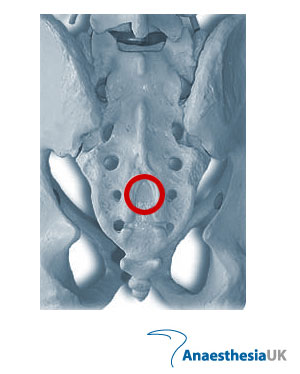

Caudal analgesia is produced by injection of local anaesthetic into the caudal canal. This produces block of the sacral and lumbar nerve roots. It is useful as a supplement to general anaesthesia and for provision of postoperative analgesia. This technique is popular in paediatric patients. Catheter insertion may be performed for continuous caudal block.

Anatomy

The sacrum is a triangular bone that articulates with the fifth lumbar vertebra, the coccyx and the ilia. The dorsal roof consists of the fused laminae of the five sacral vertebrae and is convex dorsally. In the midline is a median crest which represents the sacral spinous processes. Lateral to this is the intermediate sacral crest with a row of four tubercles which represent the articular processes. The S5 processes are remnants and form the cornua, which provide the main landmarks for indentifying the sacral hiatus. The hiatus is covered by the sacro-coccygeal membrane. The canal contains areolar connective tissue, fat, sacral nerves, lymphatics, the filum terminale and a rich venous plexus.

Technique

The patient is usually in the left lateral position with the knees drawn up to the chest. The sacral hiatus lies at the third point of an equilateral triangle formed with the two posterior superior iliac spines (look for the dimples in the skin). The cornua are palpable on either side of the hiatus. Adopt an aseptic technique. A needle (or 22/20 g cannula) is introduced in a slightly cranial direction through the hiatus. A click is felt as the needle pierces the sacrococcygeal membrane. The needle/cannula is then directed cranially. The dura ends at S2, but may extend further. Aspirate to confirm the absence of blood/cerebrospinal fluid and inject local anaesthetic while feeling for inadvertent subcutaneous injection with the other hand. There should be very little resistance to injection. In children, the block should be performed after general anaesthesia has been induced and before surgery has commenced.

Choice of local anaesthetic

Paediatric population

0.5 ml/kg, 0.25% bupivacaine (sacro-lumbar block)
1 ml/kg, 0.25% bupivacaine (upper abdominal block)
1.2 ml/kg,0.25% bupivacaine (mid-thoracic block)
(Doses described by Armitage).

In this age group, epidural analgesia is accompanied by very little change in blood pressure or cardiac output. Continuous caudal catheters have been used intraoperatively for more prolonged surgery. The maximum safe dose range for epidural bupivacaine is 0.15-0.2 mg/kg/h in neonates and 0.2-0.3 mg/kg/h in infants. The addition of clonidine (1-2 mcg/kg) to bupivacaine extends its duration of action significantly. Preservative-free Ketamine (0.5 mg/kg) also prolongs the duration of analgesia.

Adult population

20-30 ml 0.25-0.5% bupivacaine. Average volume of the sacral canal is 30-35 ml.
Epidural fat in children has a loose and wide-meshed texture, whereas in adults it becomes more densely packed and fibrous. Hence, local anaesthetic spread is greater in children.

References

i] Caudal bupivacaine and s(+)-ketamine for postoperative analgesia in children.
Weber F, Wulf H.
Paediatr Anaesth 2003; 13(3): 244-8.

ii] The 'swoosh' test--an evaluation of a modified 'whoosh' test in children.
Orme RM, Berg SJ.
Br J Anaesth 2003; 90(1): 62-5.


Spinal anaesthesia: Choice of needle

Quincke

 
Short bevelled, cutting tip. Insertion results in the needle cutting parallel to the dura fibres.  Quincke needle

Whitacre

 
Designed to spread the dural fibres and help reduce the occurrence of post-dural puncture headache. Yields a distinct "pop" as the pencil point penetrates the dura.  Whitacre needle

Sprotte

 
As the fibres of the dura run parallel to the long axis of the spine, if the bevel of the needle is parallel to them, it will part rather than cut them, and therefore leave a smaller hole.  Sprotte needle

The incidence of post-dural puncture headache (PDPH) after the use of a standard spinal needle (Quincke) is dependent on the size of the needle. In young female patients, the mean incidence of PDPH is approximately 15% when using a 25G needle and around 5% when using a 26G needle. A significant reduction in PDPH from 6.3% to 2.5% is seen if using a 27G needle instead of a 26G needle in obstetric patients. The incidence can be further reduced by puncturing the dura parallel to the dural fibres.

Newer spinal needles with special tip design (modifications of the original pencil point Whitacre needle) have lowered the incidence of PDPH to an acceptable level.

In 1987, Sprotte et al. introduced the 'atraumatic' spinal needle (a modified pencil point needle) and reported that the incidence of PDPH could be reduced to less than 1%. However, a higher failure rate was reported and related to the dimensions and placement of the sideport of this needle. The modern Whitacre needles, with a smaller sideport closer to the tip, are superior to the Sprotte® needle and their use has reduced the incidence of significant PDPH to less than 1%.

Vaporizers (تبخیر کننده)

Processing: Vaporizers

Physical principles

Vapor pressure Molecules escape from a volatile liquid to the vapor phase, creating a "saturated vapor pressure" at equilibrium. Vapor pressure (VP) increases with temperature. VP is independent of atmospheric pressure, it depends only on the physical characteristics of the liquid, and its temperature.

Latent heat of vaporization is the number of calories needed to convert 1 g of liquid to vapor, without temperature change in the remaining liquid. Thus, the temperature of the remaining liquid will drop as vaporization proceeds, lowering VP, unless this is prevented.

Specific heat is the number of calories needed to increase the temperature of 1 g of a substance by 1 degree C. Manufacturers select materials for vaporizer construction with high specific heats to minimize temperature changes associated with vaporization.

Thermal conductivity - a measure of how fast a substance transmits heat. High thermal conductivity is desirable in vaporizer construction.

Classification

Dräger Vapor 19.1, Vapor 2000, Penlon Sigma, Datex-Ohmeda S/5 ADU Aladin vaporizers, and Datex-Ohmeda Tec 4, 5 are classified as

Variable bypass
Fresh gas flow from the flowmeters enters the inlet of any vaporizer which is on. The concentration control dial setting splits this stream into bypass gas (which does not enter the vaporizing chamber), and carrier gas (also called chamber flow, which flows over the liquid agent).
Flow over
Carrier gas flows over the surface of the liquid volatile agent in the vaporizing chamber, as opposed to bubbling up through it (as in the copper kettle and Vernitrol)
Temperature compensated
Equipped with automatic devices that ensure steady vaporizer output over a wide range of ambient temperatures
Agent-specific
Only calibrated for a single gas, usually with keyed fillers that decrease the likelihood of filling the vaporizer with the wrong agent
Out of circuit
Out of the breathing circuit, as opposed to (much) older models such as the Ohio #8 (Boyle's bottle) which were inserted within the circle system.

The copper kettle and Vernitrol are measured-flow, bubble-through, non-temperature compensated, multiple agent, and out of circuit 

Vaporizer Models
Classification Datex-Ohmeda Tec 4, Tec 5, SevoTec, and Aladin (AS/3 ADU); Dräger Vapor 19.n, Vapor 2000 Copper Kettle, Vernitrol Datex-Ohmeda Tec 6 (Desflurane)
Splitting ratio (carrier gas flow) Variable-bypass (vaporizer determines carrier gas split) Measured-flow (operator determines carrier gas split) Dual-circuit (carrier gas is not split)
Method of vaporization Flow-over (including the Aladin for desflurane, which does not require added heat like the Tec 6) Bubble-through Gas/vapor blender (heat produces vapor, which is injected into fresh gas flow)
Temperature compensation Automatic temperature compensation mechanism Manual (i.e., by changes in carrier gas flow) Electrically heated to a constant temperature (39ºC; thermostatically controlled)
Calibration Calibrated, agent-specific None; multiple-agent Calibrated, agent-specific
Position Out of circuit Out of circuit Out of circuit
Capacity Tec 4: 125 mL
Tec 5: 300 mL
Vapor 19.n: 200 mL
Aladin: 250 mL
200-600 mL (no longer manufactured) 390 mL
ادامه نوشته

Epidural Anesthesia (بیحسی اپیدورال)


Epidural anesthesia is the most popular means for pain relief during labor. In fact, more women ask for an epidural by name than any other method of pain relief. Over 50% of women giving birth at hospitals use epidural anesthesia.

As you prepare yourself for “labor day”, learn as much as possible about pain relief options so you will be equipped and ready to make decisions throughout your birth experience. Understanding the different types of epidurals, how an epidural is administered, and the benefits and potential risks of an epidural will prepare you to make an informed decision for you and your baby as your birth unfolds.

     ?What is epidural anesthesia

Epidural anesthesia is regional anesthesia that blocks pain in a particular region of the body. The goal of an epidural is to provide analgesia, or pain relief, rather than complete anesthesia, which is total lack of feeling. Epidurals block the nerve impulses from the lower spinal segments resulting in decreased sensation in the lower half of the body. Epidural medications fall into a class of drugs called local anesthetics, such as bupivacaine, chloroprocaine, or lidocaine. They are often delivered in combination with opioids or narcotics, such as fentanyl and sufentanil, to decrease the required dose of local anesthetic. This way pain relief is achieved with minimal effects. These medications may be used in combination with epinephrine, fentanyl, morphine, or clonidine to prolong the epidural’s effect or stabilize the mother’s blood pressure

ادامه نوشته

Epidural Hematoma

Epidural hematoma (EDH) is a traumatic accumulation of blood between the inner table of the skull and the stripped-off dural membrane. The inciting event often is a focused blow to the head, such as that produced by a hammer or baseball bat. In 85-95% of patients, this type of trauma results in an overlying fracture of the skull. Blood vessels in close proximity to the fracture are the sources of the hemorrhage in the formation of an EDH. Because the underlying brain has usually been minimally injured, prognosis is excellent if treated aggressively. Outcome from surgical decompression and repair is related directly to patient's preoperative neurologic condition.

Pathophysiology

Approximately 70-80% of EDHs are located in the temporoparietal region where skull fractures cross the path of the middle meningeal artery or its dural branches. Frontal and occipital EDHs each constitute about 10%, with the latter occasionally extending above and below the tentorium. Association of hematoma and skull fracture is less common in young children because of calvarial plasticity.

EDHs are usually arterial in origin but result from venous bleeding in one third of patients. Occasionally, torn venous sinuses cause EDH, particularly in the parietal-occipital region or posterior fossa. These injuries tend to be smaller and associated with a more benign course. Usually, venous EDHs only form with a depressed skull fracture, which strips the dura from the bone and, thus, creates a space for blood to accumulate. In certain patients, especially those with delayed presentations, venous EDHs are treated nonsurgically.

Expanding high-volume EDHs can produce a midline shift and subfalcine herniation of the brain. Compressed cerebral tissue can impinge on the third cranial nerve, resulting in ipsilateral pupillary dilation and contralateral hemiparesis or extensor motor response.

EDHs are usually stable, attaining maximum size within minutes of injury; however, Borovich demonstrated progression of EDH in 9% of patients during the first 24 hours1. Rebleeding or continuous oozing presumably causes this progression. An EDH can occasionally run a more chronic course and is detected only days after injury.

Frequency

United States

EDH occurs in 1-2% of all head trauma cases and in about 10% of patients who present with traumatic coma.

Mortality/Morbidity

  • Reported mortality rates range from 5-43%.
  • Higher rates are associated with the following:
    • Advanced age
    • Intradural lesions
    • Temporal location
    • Increased hematoma volume
    • Rapid clinical progression
    • Pupillary abnormalities
    • Increased intracranial pressure (ICP)
    • Lower Glasgow coma scale (GCS)
  • Mortality rates are essentially nil for patients not in coma preoperatively and approximately 10% for obtunded patients and 20% for patients in deep coma.

Age

  • Patients younger than 5 years and older than 55 years have an increased mortality rate.
  • Patients younger than 20 years account for 60% of EDHs.
  • EDH is uncommon in elderly patients because the dura is strongly adhered to the inner table of the skull. In case series of EDH, fewer than 10% of patients are older than 50 years.

Clinical

History

  • Fewer than 20% of patients demonstrate the classic presentation of a lucid interval between the initial trauma and subsequent neurological deterioration.
  • Following injury, the patient may or may not lose consciousness. If he or she becomes unconscious, the patient may awaken or remain unconscious.
  • Severe headache
  • Vomiting
  • Seizure
  • Patients with posterior fossa EDH may have a dramatic delayed deterioration. The patient can be conscious and talking and a minute later apneic, comatose, and minutes from death.

Physical

  • Cushing response, consisting of the following, can indicate increased ICP:
    • Hypertension
    • Bradycardia
    • Bradypnea
  • Level of consciousness may be decreased, with decreased or fluctuating GCS.
  • Contusion, laceration, or bony step-off may be observed in the area of injury.
  • Dilated, sluggish, or fixed pupil(s), bilateral or ipsilateral to injury, suggest increased ICP or herniation.
  • Classic triad indicating transtentorial herniation consists of the following:
    • Coma
    • Fixed and dilated pupil(s)
    • Decerebrate posturing
  • Hemiplegia contralateral to injury with herniation may be observed.

Causes

  • EDH results from traumatic head injury, usually with an associated skull fracture and arterial laceration.